Exercise for Stress Relief: A Realistic Guide for Women
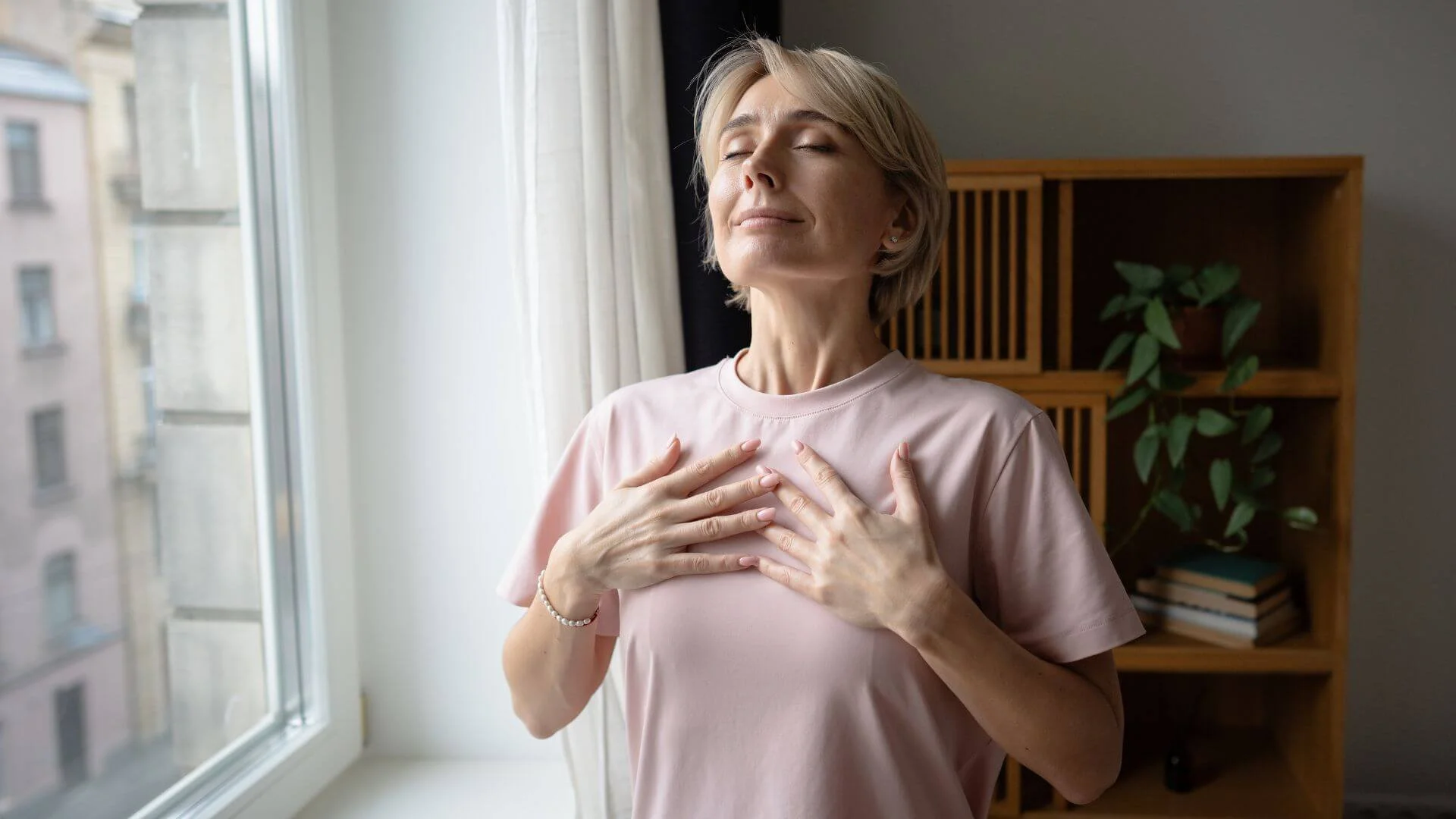
If you’ve been searching for exercise for stress relief, you’re not alone. Stress shows up in your body just as much as your mind, and movement is one of the most effective ways to release it.
At Peak Women, we know mental health is health. There’s more to exercise than getting into shape. We believe exercising in a supportive, women-only gym in Troy, Michigan, is about creating space to breathe, reset, and feel like yourself again.
Key Takeaways
Movement helps reduce stress hormones and improve mood
Even short workouts can create noticeable mental relief
Consistency matters more than intensity
Low-impact exercises can be just as effective as high-intensity ones
A supportive environment makes it easier to stay consistent
Exercise supports both physical and mental well-being
Why Exercise Helps Relieve Stress
Stress impacts your entire body and isn’t just in your head. When you’re overwhelmed, your body releases stress hormones like cortisol, which can affect your sleep, energy, digestion, blood pressure, and mood.
Exercise helps regulate that response. It increases endorphins, improves blood flow, and gives your mind a break from constant thoughts.
Even something as simple as a walk can help shift your mindset and reduce tension. You don’t need an intense workout to feel the benefits.

Try The Right Exercise for Stress Relief for Women
There’s no one-size-fits-all approach. The best exercise for stress relief is the one that feels good in your body and fits into your life.
Walking
Walking is one of the easiest and most effective ways to reduce stress. It requires no equipment and can be done anywhere.
A short walk can help clear your mind, boost your mood, and give you a mental reset, even on your busiest days.
Strength Training
Strength training is a powerful tool for stress relief. It gives you a sense of control, builds confidence, and helps regulate stress hormones.
At a women-only gym, this type of training becomes even more supportive because you’re in an environment designed for you.
Yoga
Yoga combines movement with breathwork, making it especially effective for calming your nervous system.
It helps release physical tension while also giving your mind a break from constant stress. Slow, controlled breathing during exercise helps signal your nervous system to relax, which is a big part of why these workouts reduce stress.
Pilates
Pilates focuses on controlled movement and body awareness. This makes it a great option if you’re feeling overwhelmed or disconnected from your body.
It’s not about pushing harder; it’s about moving with intention.
Dancing or Group Fitness
Sometimes, the best stress relief is letting loose. Dancing or joining a group class adds a social element, which can boost your mood even more.
You’re not just moving, you’re connecting.
Low-Impact Movement
Gentle movement like stretching, mobility work, or light strength training can be incredibly effective.
You don’t always need intensity. Sometimes, slowing down is exactly what your body needs.

Non-Traditional Exercises For Stress Relief
Not all movement has to look like a structured workout to be effective. Some of the best options for exercise for stress relief are simple, low-pressure activities that help your body relax, and your mind slow down.
Activities like gardening, for example, give you gentle movement while also getting you outside and away from screens. Tai chi and qigong take a different approach, combining slow, controlled movements with focused breathing to calm your nervous system.
These types of movement work because they shift your focus, regulate your breathing, and reduce physical tension, all without adding more stress to your body.
The most important thing to remember is this: movement doesn’t have to look like a workout to count. If it helps you feel calmer, clearer, and more grounded, it’s doing exactly what your body needs.
How Much Exercise Do You Need for Stress Relief?
You don’t need hours in the gym to feel better. Even short bursts of movement can help reduce stress and improve your mood.
Aim for consistency over perfection. A few days a week of movement, whether it’s walking, strength training, or stretching, can make a real difference.
The goal is to create a routine that feels doable, not overwhelming.
Listen To Your Body and Adjust As Needed
When using exercise for stress relief, how you move matters just as much as what you do. Your body will give you signals, and learning to listen to them is key to getting the benefits without adding more stress.
Some days, you may feel energized and ready for strength training or a longer workout. Other days, your body may need something slower, like walking, stretching, or gentle movement. Both are valid, and both support your health.
Pushing through exhaustion or ignoring discomfort can actually increase stress levels. Instead, focus on adjusting intensity, avoiding strain, and choosing movement that feels supportive rather than draining.
At Peak Women, we always come back to this: your body isn’t something to fight against. When you learn to work with it, exercise becomes a tool for relief, not another source of pressure.
How To Stick With Exercise To Reduce Stress
Starting is one thing, but staying consistent with exercise for stress relief is where the real benefits happen. The goal isn’t to be perfect, it’s to create a routine that actually fits your life so you can keep showing up.
Set Clear, Realistic Goals
The best routines start with clarity. Setting specific, realistic goals makes it easier to follow through because you know exactly what you’re working toward.
Instead of saying “I want to work out more,” try something like walking during your lunch break three times a week or doing a short workout at home in the evening. When your goal is clear and doable, it feels less overwhelming and more achievable.
Make It Social and Supportive
You don’t have to do this alone. Having someone to meet, check in with, or train alongside can make a big difference in staying consistent.
Whether it’s a friend, a workout partner, or a supportive community at a women-only gym, accountability adds motivation and makes the experience more enjoyable.
Keep It Flexible and Fresh
Doing the same workout over and over can lead to burnout, especially when you’re already stressed. Mixing things up helps keep your routine interesting and more aligned with how you feel.
If high-intensity workouts feel overwhelming, try something lower-impact like Pilates, yoga, or strength training. The goal is to support your body, not exhaust it.
Use Short Workouts When Needed
You don’t need a full hour to feel the benefits. Short bursts of movement throughout the day can still help reduce stress and improve your mood.
A quick walk, a few minutes of stretching, or a short strength session all add up. Consistency matters more than duration, especially when life feels busy.
Make It Fit Your Life
The most effective routine is one that works with your schedule, not against it. That might mean early mornings, lunch breaks, or quick sessions between responsibilities.
At Peak Women, we always say: movement should support your life, not complicate it. When your routine feels realistic, it becomes something you can actually stick with long-term.
Why Environment Matters More Than You Think
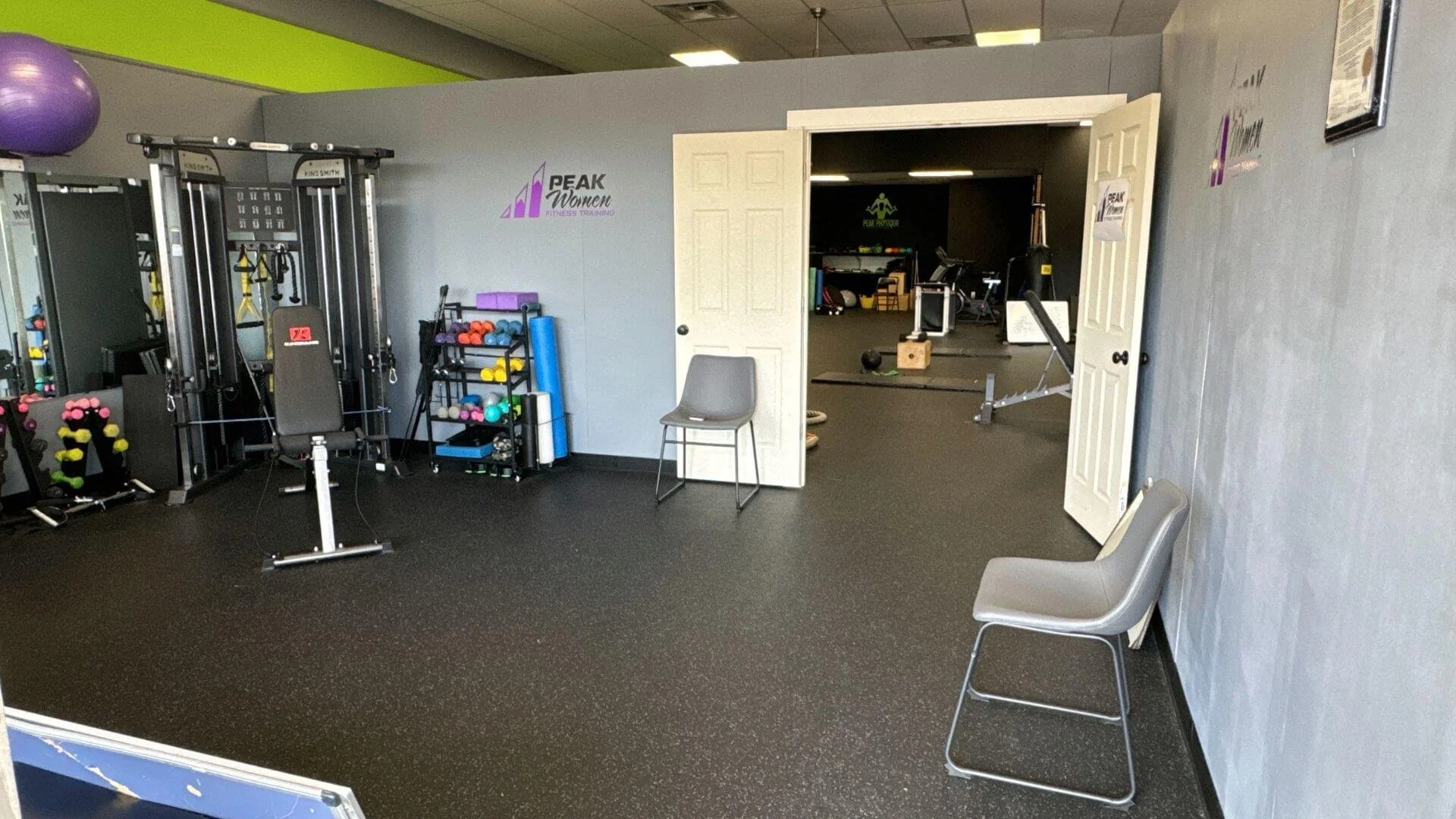
Where you work out can impact how you feel about exercise.
At our women-only gym in Troy, MI, you’re not dealing with comparison, pressure, or discomfort. You can focus on yourself, your goals, and how your body feels.
That sense of comfort makes it easier to stay consistent, which is key to long-term stress relief.
Exercise for Stress Relief with Peak Women
At Peak Women, we take a different approach to fitness. We don’t believe in pushing you to exhaustion. We focus on helping you feel better.
In our women-only gym, you’ll find:
Supportive coaching that meets you where you are
Workouts designed to reduce stress, not add to it
A community of women who understand real life
Because movement should help you feel stronger, not more overwhelmed.
Strong, Calm, and Supported
Using exercise for stress relief isn’t about doing more; it’s about doing what helps you feel better.
When you move your body consistently, you create space for clarity, energy, and calm. You don’t have to push harder. You just have to show up.
And remember, you don’t have to do it alone. Reach out to us today and get your first workout free with your consultation.
Frequently Asked Questions About Exercise for Stress Relief
We’re often asked these questions about using exercise to manage stress.
What is the best exercise for stress relief?
The best exercise is one you enjoy and can stay consistent with. Walking, strength training, yoga, and Pilates are all effective options.
How quickly does exercise reduce stress?
Exercise can start reducing stress within minutes by increasing endorphins and shifting your focus.
Can too much exercise increase stress?
Yes. Overtraining can raise cortisol levels. Balance and recovery are key to using exercise effectively for stress relief.
How often should I exercise for stress relief?
Aim for 3–5 days per week, but even a few short sessions can make a difference.
Is strength training good for stress relief for women?
Yes. Strength training helps regulate hormones, improve confidence, and provide a mental outlet for stress.
What if I don’t feel motivated to work out?
Start small. Even a 10-minute walk counts. The goal is to build momentum, not perfection.