You don’t have to be an athlete to train like one. Learning how to train like an athlete has many benefits and can help you reach your unique fitness goals.
Whether you want to lift heavier weights, improve your endurance, or feel stronger in everyday life, athletic training can help you reach your goals. It all starts with a balanced workout routine that challenges your body in different ways.
Here's how women can build athletic strength, improve performance, and create a training plan that lasts.
Quick Hits: How To Train Like an Athlete
Athletic training builds strength, power, endurance, mobility, and coordination.
Women benefit from personalized training that fits their goals and abilities.
A balanced routine combines strength, cardio, agility, and recovery.
You don't need to be an athlete to start. Consistency and gradual progress are key.
What Does It Mean to Train Like an Athlete?
Training like an athlete means exercising to improve how your body performs, not just how it looks. Rather than focusing on one type of workout, athletic training develops several important physical abilities:
Strength: Building muscle and improving your ability to lift, push, and pull.
Power: Producing force quickly through movements like jumping or sprinting.
Endurance: Sustaining physical activity for longer periods.
Speed and agility: Moving quickly, changing directions, and improving coordination.
Mobility: Moving comfortably through a healthy range of motion.
The goal is to create a well-rounded fitness routine that helps you become stronger, more capable, and confident in your movements.
Should Women Train Differently Than Men?
While our bodies are different, women and men benefit from many of the same training principles, including strength training, progressive overload, cardio, and recovery.
However, your workouts should reflect your individual fitness level, experience, and goals, regardless of gender.
Factors like pregnancy, postpartum recovery, menopause, and hormonal changes may also influence your training needs. For example, a woman returning to exercise after having a baby may need a different approach than someone training for a race.
The key is finding a routine that challenges you appropriately while allowing enough time for recovery.

How to Train Like an Athlete: 6 Essential Tips for Women
Training like an athlete doesn't mean working out harder every day. It means combining different types of exercise to build strength, endurance, and overall athletic ability.
Here are six ways to get started.
1. Build Strength With Compound Exercises
Strength training is the foundation of athletic fitness. It builds muscle, improves stability, and helps your body handle more demanding movements.
Focus on exercises that work multiple muscle groups, including:
Squats: Strengthen your legs, glutes, and core.
Deadlifts: Build strength in your glutes, hamstrings, and back.
Lunges: Improve balance and lower-body strength.
Push-ups: Strengthen your chest, shoulders, and arms.
Dumbbell rows: Build upper-body strength.
Start with two or three strength training sessions per week, focusing on proper form before increasing weight.
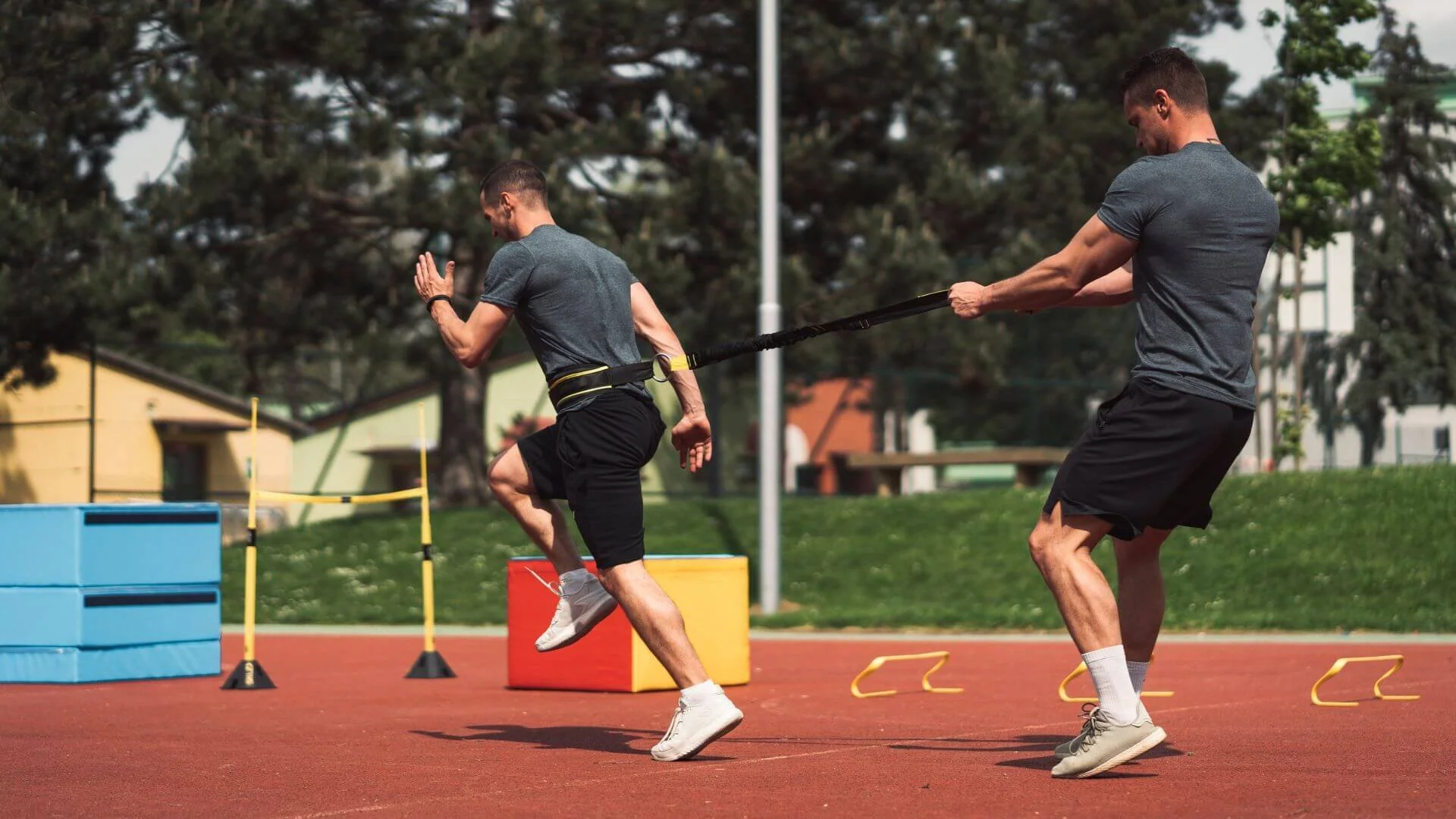
2. Incorporate Speed, Power, and Agility Training
Athletes train to move efficiently, react quickly, and generate power.
Adding speed and agility exercises can improve your coordination and overall athletic performance.
Try movements such as:
Squat jumps
Lateral hops
Medicine ball throws
Short sprints
Side shuffles
If you're a beginner, start with controlled movements like step-ups or side steps before progressing to jumping or sprinting.
3. Improve Your Cardiovascular Endurance
Cardio training strengthens your cardiovascular system and helps you sustain physical activity for longer periods.
Walking, running, cycling, swimming, and rowing are all effective options.
You can also incorporate interval training by alternating between faster and slower movements. For example, try one minute of brisk walking followed by two minutes at a comfortable pace.
Gradually increase the duration or intensity as your endurance improves.
4. Challenge Yourself With Progressive Overload
Athletes follow structured training plans that gradually become more challenging.
This approach, called progressive overload, helps your body continue adapting and improving.
You can apply it by:
Increasing the weight you lift.
Adding repetitions or sets.
Improving your exercise technique.
Gradually increasing your cardio duration or intensity.
For example, once you can comfortably complete 10 squats with a certain weight, you might increase the resistance slightly.
Small improvements over time can lead to meaningful progress.
5. Prioritize Mobility and Recovery
Recovery is just as important as your workouts.
Your body needs time to repair muscles, adapt to exercise, and prepare for your next session. Include rest days, adequate sleep, and mobility exercises that target areas like your hips, shoulders, and ankles.
Gentle stretching or walking can also be helpful on recovery days.
Remember, training like an athlete means knowing when to challenge yourself and when to rest.
6. Fuel Your Body for Performance
Proper nutrition supports your energy, muscle recovery, and overall performance.
Focus on eating balanced meals that include:
Protein for muscle repair and growth.
Carbohydrates for workout energy.
Healthy fats for overall health.
Fruits and vegetables for essential nutrients.
Water to stay hydrated.
You don't need a restrictive diet to train like an athlete. Eating enough and fueling your body consistently are key to building strength and endurance.
Sample Weekly Athletic Workout Plan for Women
A structured workout plan helps you train different physical abilities while allowing time for recovery.
Here's an example of a beginner-friendly weekly routine:
| Day | Workout |
|---|---|
| Monday | Full-body strength training |
| Tuesday | 20–30 minutes of cardio |
| Wednesday | Rest or mobility exercises |
| Thursday | Strength and beginner power exercises |
| Friday | Walking or interval cardio |
| Saturday | Optional enjoyable activity or gentle movement |
| Sunday | Rest |
Example Full-Body Strength Workout
Try this simple workout after warming up:
| Exercise | Sets | Reps |
|---|---|---|
| Goblet squats | 3 | 8–10 |
| Dumbbell deadlifts | 3 | 8–10 |
| Dumbbell rows | 3 | 10 per side |
| Incline push-ups | 2 | 8–12 |
| Step-ups | 2 | 8 per leg |
| Plank | 2 | 20–30 seconds |
Choose weights that challenge you without compromising your form. Adjust the routine to match your fitness level and gradually increase the difficulty as you get stronger.
Common Mistakes to Avoid When Training Like an Athlete
When you're working toward new fitness goals, it's easy to focus on doing more rather than training effectively.
Avoid these common mistakes:
Doing too much too soon: Increase workout intensity gradually.
Skipping recovery: Give your body enough time to rest between challenging sessions.
Ignoring proper form: Focus on technique before adding weight or speed.
Not eating enough: Fuel your body to support your workouts and recovery.
Comparing yourself to others: Your training should reflect your own abilities and goals.
We try to remind our clients of this all the time: consistency matters more than intensity. A realistic routine you can maintain is more effective than pushing yourself too hard and burning out.
How Peak Women Can Help You Train Like an Athlete
You don't need to be an experienced athlete to start building athletic strength.
At Peak Women in Troy, Michigan, we offer one-on-one and shared personal training in a supportive, women-only gym.
Our trainers create workouts tailored to your fitness level and goals, helping you improve your strength, endurance, and confidence while developing proper technique.
Whether you're new to exercise or ready to take your fitness to the next level, we're here to help you make progress.
Contact Peak Women today and get your first workout free with your consultation.
Frequently Asked Questions About Training Like an Athlete
Can Beginners Train Like Athletes?
Yes! Start with basic strength exercises, manageable cardio, and mobility training. Gradually increase the difficulty as your fitness improves.
How Many Days a Week Should Women Train Like Athletes?
Many beginners can start with two or three strength sessions per week, along with cardio and recovery days. Your ideal schedule depends on your goals and experience.
Do I Need to Lift Heavy Weights to Train Like an Athlete?
Not necessarily. Start with weights you can control using proper form, then gradually increase resistance as you build strength.
Can I Train Like an Athlete Without Playing Sports?
Absolutely! Athletic training can improve your strength, balance, coordination, and endurance, even if you don't participate in competitive sports.