How to Improve Your Diet Without Restrictive Rules or Boring Meals
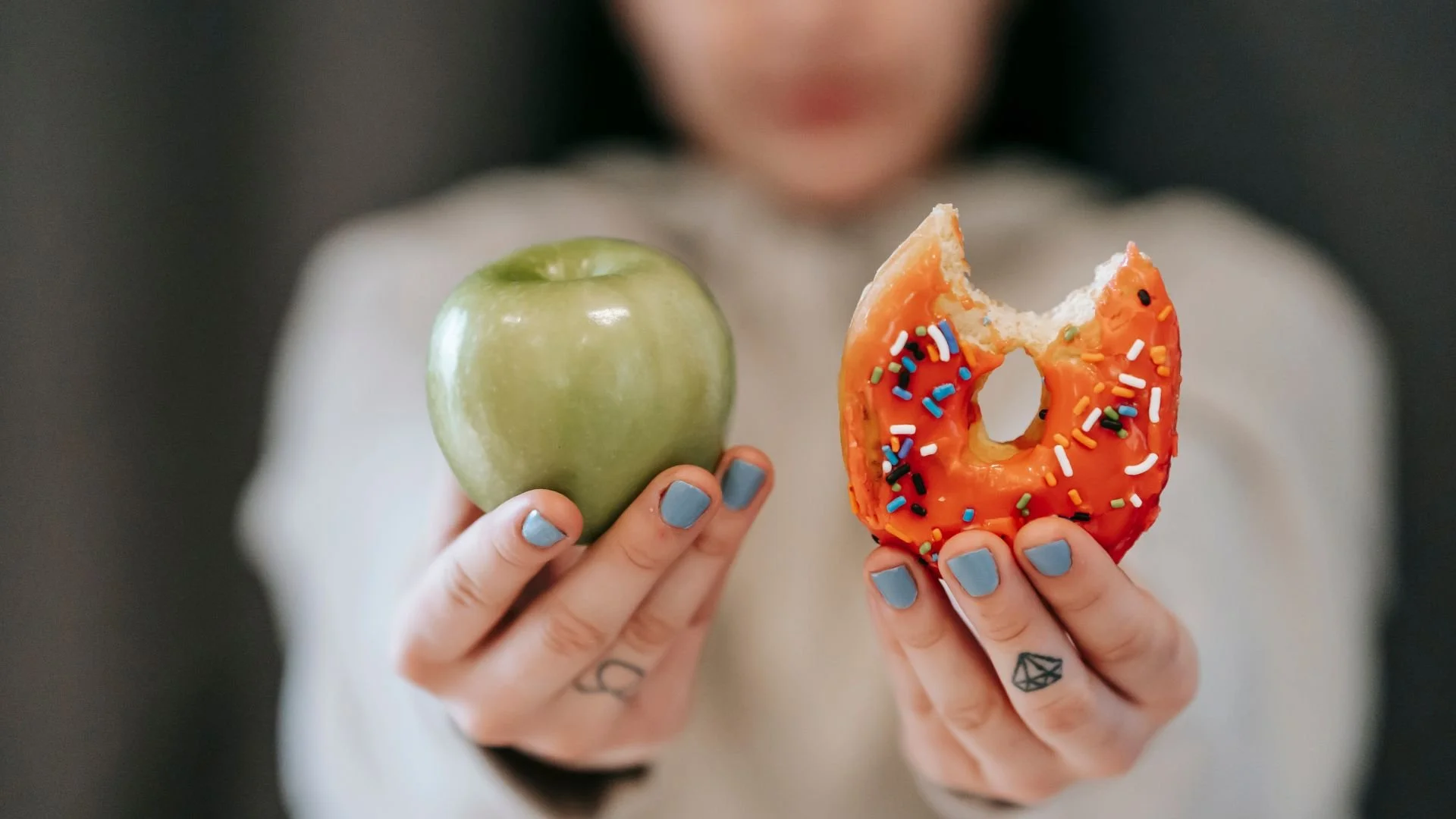
You don't have to give up pizza, pasta, chocolate, or your favorite coffee to eat healthier. Improving your diet means making small, realistic changes that help you feel good while still enjoying the foods you love.
At Peak Women, we believe self-care should fit into your life, not complicate it. Whether you want to feel more energized, support your workouts, or build healthier habits, these practical tips will help you improve your nutrition without following another restrictive diet.
Key Takeaways:
Focus on balance, not restriction.
Add more protein, fruits, and vegetables to your favorite meals.
Make simple food swaps without sacrificing flavor.
Pay attention to portions and hunger cues.
Build healthy eating habits that fit your lifestyle.
How Can You Improve Your Diet Without Giving Up Your Favorite Foods?
Improving your diet doesn't have to mean following strict food rules or completely changing the way you eat. These 10 simple strategies can help you build healthier eating habits while continuing to enjoy the foods you love.
1. Stop Thinking of Foods as Good or Bad
When you're trying to eat healthier, it's easy to start labeling foods as either good or bad. Vegetables are good. Pizza is bad. A salad is healthy, but a burger is something you should feel guilty about eating.
But healthy eating isn't that black-and-white. Your overall eating habits matter more than any single meal. A nutritious diet can include a variety of foods, including the ones you eat simply because you enjoy them.
Instead of asking yourself which foods you need to eliminate, consider what you could add to make your meals more balanced.
For example, if you love pizza, enjoy your pizza! You could pair it with a side salad or add some vegetables to your favorite toppings. If you love pasta, there's no reason to stop eating it. Try adding chicken, shrimp, or beans for protein, plus spinach or broccoli for extra nutrients.
The goal is to create an eating pattern that supports your health and that you can realistically maintain.
2. Add More Nutritious Foods to the Meals You Already Love
One of the easiest ways to improve your diet is to focus on what you can add, not what you need to remove.
According to the CDC's healthy eating recommendations, a nutritious eating pattern includes a variety of protein sources, vegetables, fruits, healthy fats, and whole grains.
These foods provide important nutrients that support your overall health, but you don't have to completely change your favorite recipes to incorporate them.
Start with a few simple additions:
Add spinach, peppers, or mushrooms to your morning eggs.
Mix extra vegetables into spaghetti sauce, soups, or casseroles.
Add berries, bananas, or nuts to your favorite yogurt.
Include beans or lentils in tacos, chili, or rice bowls.
Pair your favorite sandwich with fresh fruit or vegetables.
Even small additions can improve the nutritional value of a meal.
For example, adding black beans and peppers to your favorite tacos provides additional fiber, vitamins, and minerals without changing the meal into something completely different. And if you're cooking for your family, these changes can make it easier to prepare one meal everyone can enjoy rather than making separate dishes for yourself.
3. Make Simple Food Swaps Without Sacrificing Flavor
Eating healthier doesn't mean every meal needs to be grilled chicken and steamed vegetables. Sometimes, changing just one or two ingredients can improve the nutritional value of a dish while keeping the flavors you enjoy.
The American Heart Association recommends simple ingredient substitutions to help reduce added sugars, sodium, and saturated fats without sacrificing taste.
Here are a few easy swaps you can try with your favorite meals:
| Your Favorite Food | A Simple Change to Try |
|---|---|
| Creamy pasta | Replace some heavy cream with plain Greek yogurt or a lighter sauce. |
| Tacos | Add black beans, vegetables, or lean ground turkey to your usual filling. |
| Burgers | Keep your favorite burger and add lettuce, tomato, or a whole-grain bun. |
| Pizza | Add vegetables or a protein-rich topping and pair it with a side salad. |
| Ice cream | Try Greek yogurt with berries and chocolate chips when you want something different. |
| Potato chips | Try lightly salted popcorn or roasted chickpeas for a crunchy snack. |
The idea is to find small changes that work for you and make your everyday meals more nutritious.
4. Build Balanced Meals Instead of Cutting Out Entire Food Groups
Carbs, fats, and even your favorite desserts can all fit into a healthy diet. Rather than eliminating entire food groups, focus on creating meals that provide the nutrients your body needs.
A balanced meal typically includes protein, carbohydrates, healthy fats, and fiber-rich foods. Each plays an important role in supporting your overall health and helping you feel satisfied after eating.
Protein: Support Your Muscles and Recovery
Protein helps your body build and repair muscle, making it especially important when you're participating in regular strength training.
Include foods like chicken, fish, eggs, Greek yogurt, beans, tofu, or lean beef in your meals.
For example, if you're making spaghetti for dinner, adding ground turkey, lean beef, or lentils to your sauce can help increase the protein content.
Carbohydrates: Give Your Body Energy
Carbohydrates provide energy for your brain, muscles, and daily activities. You don't need to stop eating bread, rice, potatoes, or pasta to improve your diet.
Instead, try incorporating more fiber-rich carbohydrate sources, such as whole grains, beans, fruits, and vegetables.
The NHS recommends choosing higher-fiber carbohydrates, including whole-wheat pasta, brown rice, and potatoes with their skins on.
Healthy Fats: An Important Part of Your Diet
Your body needs dietary fat to support normal bodily functions, including absorbing certain vitamins.
Foods like avocados, nuts, seeds, olive oil, and fish provide sources of unsaturated fats.
Try adding avocado to your favorite sandwich, sprinkling nuts over yogurt, or using olive oil when preparing vegetables.
The key is variety. You don't need to eliminate the foods you enjoy to give your body the nutrients it needs.
5. Pay Attention to Portions Without Obsessing Over Calories
Learning how to improve your diet doesn't necessarily mean weighing every ingredient or tracking every calorie. For many women, simply becoming more aware of portion sizes and hunger cues can be a useful starting point.
You can still enjoy your favorite foods while paying attention to how much you need to feel comfortably satisfied.
For example, when ordering takeout, consider taking a smaller portion and saving the rest for another meal. If you're still hungry afterward, you can always have more.
You can also use a simple visual guide when putting together your meals.
A Simple Guide to Building a Balanced Plate
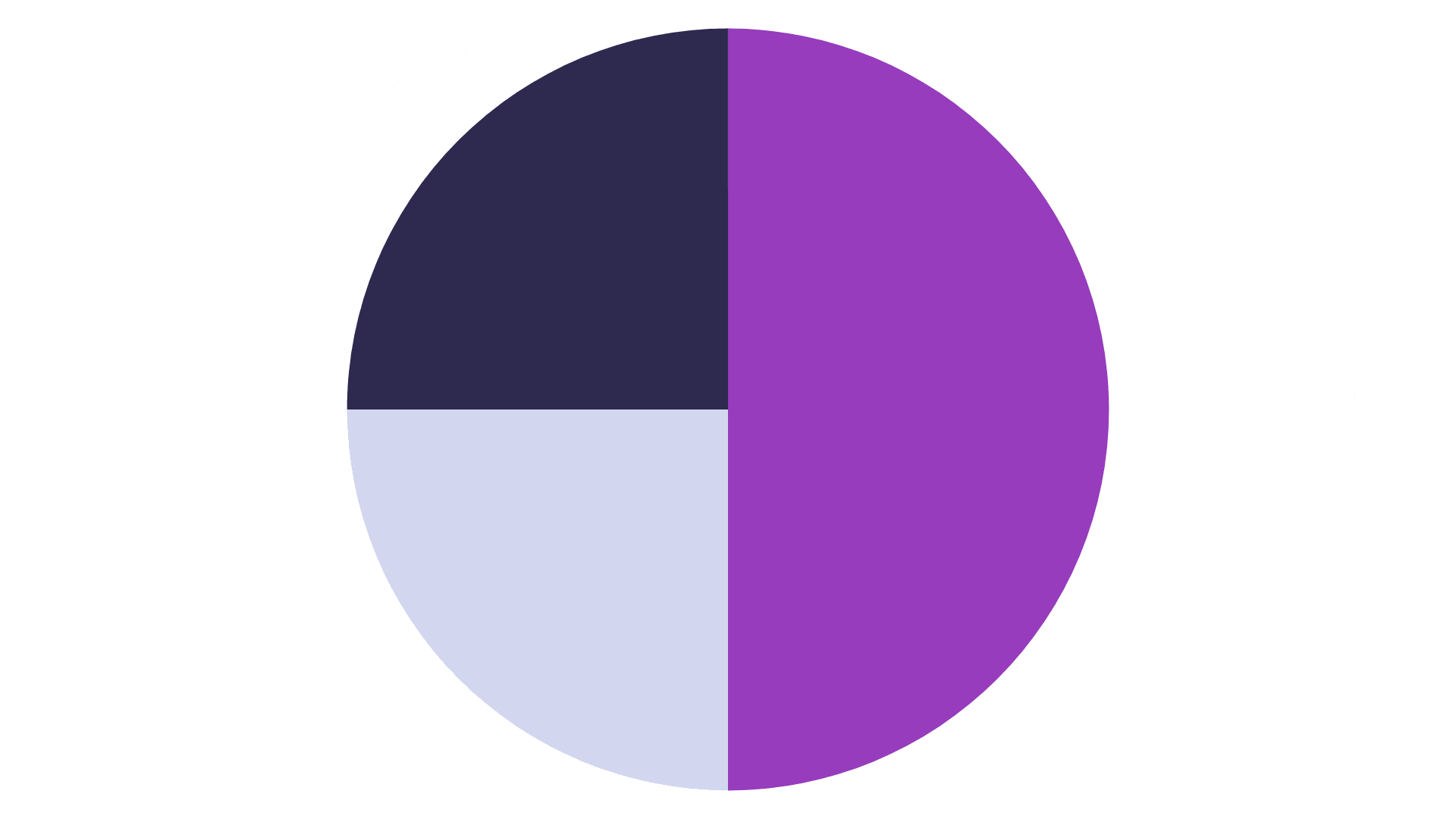
You can adapt this approach to your favorite foods. A taco bowl, for example, might include rice, seasoned chicken or beans, lettuce, tomatoes, avocado, and your favorite salsa.
Your nutritional needs and ideal portions will vary based on your activity level, health, and personal goals.
6. Enjoy Your Favorite Treats Without Feeling Guilty
Chocolate, cookies, birthday cake, and your favorite restaurant meals don't have to disappear from your life just because you're trying to eat healthier. Food is part of celebrations, family traditions, social gatherings, and everyday enjoyment.
If you want a piece of cake at a birthday party, enjoy it! You don't need to skip meals beforehand or add an extra workout afterward to make up for it. Instead, focus on your overall eating habits.
A nutritious breakfast, a balanced lunch, and a satisfying dinner can all fit into the same day as your favorite dessert.
It's also worth paying attention to how different foods make you feel. Some meals may leave you feeling energized and satisfied, while others might leave you hungry again shortly afterward.
Use that information to make choices that support your needs without turning food into something you have to earn.
At Peak Women, we believe fitness and wellness should help you enjoy your life, not make you feel guilty about living it.
7. Make Healthy Eating Easier With a Little Meal Planning
Between work, family responsibilities, and everything else on your schedule, preparing a nutritious meal from scratch every night isn't always realistic.
That's where a little meal planning can help.
You don't need to spend your entire Sunday cooking or prepare seven identical containers of chicken and rice.
Instead, think about a few ways to make your favorite meals easier to prepare throughout the week.
Try these simple strategies:
Plan three or four dinners you know your family enjoys.
Wash and chop vegetables ahead of time.
Prepare extra protein for lunches or another dinner.
Keep frozen vegetables, canned beans, and whole grains available for quick meals.
Make enough of your favorite recipes to enjoy leftovers the next day.
You can also build multiple meals around the same ingredients.
For example, you can use grilled chicken in tacos on Monday, a rice bowl on Tuesday, and a sandwich or salad on Wednesday. This approach gives you variety without requiring you to cook something completely different every day.
And remember, convenience foods aren't automatically bad choices. Frozen vegetables, canned beans, prewashed greens, and precooked grains can make nutritious meals more accessible when you're short on time.
8. Start With One Small Change at a Time
You don't need to overhaul your entire diet overnight to start making progress.
In fact, trying to change everything at once can make healthy eating feel like another overwhelming responsibility. Instead, choose one habit you can realistically work into your routine.
Maybe that's adding a vegetable to dinner, drinking more water throughout the day, or preparing lunch at home a few times a week. Once that change feels natural, consider adding another.
You might also find it helpful to think about your current routine and identify where a small adjustment would make the biggest difference.
For example, if you're frequently hungry in the afternoon, try adding a more substantial lunch with protein and fiber rather than automatically reaching for another cup of coffee.
If you're struggling to prepare dinner after a long day, keeping a few easy meals on hand might be more helpful than creating an elaborate meal plan. The best changes are the ones that fit your real life.
9. Pair Better Nutrition With Movement You Enjoy
Healthy eating and regular physical activity work together to support your overall wellness. Eating a variety of nutritious foods helps provide the energy and nutrients your body needs, while exercise supports muscle strength, cardiovascular health, and physical function.
You don't need a restrictive diet or hours at the gym to benefit from either.
At Peak Women, our personal trainers help women build strength through personalized workouts in a supportive, women-only environment.
Whether you prefer one-on-one personal training or shared sessions, our goal is to help you build a fitness routine that fits your schedule, experience, and goals.
And just like improving your diet, building a consistent exercise routine doesn't have to happen all at once. Start with what feels manageable and build from there.
10. Give Yourself Room to Be Human
Some weeks, you'll have time to prepare balanced meals and stick to your routine. Other weeks, you'll be juggling work deadlines, family commitments, and everything else life throws your way.
That's normal.
If you order takeout three nights in a row or eat something different from what you originally planned, you haven't failed. You can make a nutritious choice at your next meal without feeling like you need to start over on Monday.
Healthy eating isn't about following a perfect plan. It's about developing habits that support your well-being while leaving room for the things you enjoy. Give yourself permission to find a balance that works for you.
Your Favorite Foods Still Belong in a Healthier Life
Learning how to improve your diet doesn't mean saying goodbye to pizza nights, family dinners, or your favorite desserts. It means finding ways to nourish your body while still enjoying the foods and experiences that make you happy.
Start by adding more nutritious ingredients to meals you already love, making simple swaps when they work for you, and building balanced eating habits that fit your schedule.
At Peak Women, we believe self-care should feel empowering, not restrictive. Whether you're working on your nutrition, building strength, or making more time for yourself, every small step matters.
Ready to feel stronger and more confident? Contact Peak Women to learn more about our one-on-one and shared personal training programs in Troy, Michigan.
You deserve a wellness routine that supports your health without taking away the things you love.