Most Fitness Advice For Women Is Wrong, Here's Our Actual Advice
Open Instagram for five minutes, and you'll probably hear at least three different opinions about what women should be doing to get fit.
Lift heavy. Don't lift heavy. Walk 10,000 steps. Only do Pilates. Never eat carbs. Eat more protein. Work out every day. Rest more.
No wonder so many women feel overwhelmed before they even begin.
The truth is, most fitness advice for women isn't necessarily wrong; it's just incomplete. It often forgets that women have different bodies, different schedules, different goals, and different seasons of life. What works for one woman may not work for another, and that's okay.
At Peak Women, we believe fitness should make your life better, not more stressful. Here's the advice we actually give the women who walk through our doors every day.
Key Takeaways
There isn't one fitness plan that's right for every woman.
Strength training should be part of every woman's routine.
Progress isn't measured only by the scale.
Recovery is just as important as exercise.
Consistency will always beat perfection.
The best fitness advice for women is realistic enough to become part of your everyday life.
What’s The Problem We See All The Time With Most Fitness Advice for Women?
We so wish more women knew this. Most fitness advice is created as though every woman is starting from exactly the same place.
But that's simply not reality.
Maybe you're juggling work, kids, and everything in between. Maybe you're recovering postpartum. Maybe you're navigating perimenopause, getting back into exercise after years away, or stepping into a gym for the very first time.
Those women don't need the exact same workout plan.
Fitness isn't one-size-fits-all because women aren't one-size-fits-all.
That's why we don't hand women cookie-cutter programs at Peak Women. We get to know you first. We learn about your goals, your schedule, your health history, and what you actually enjoy doing before we build a plan together.
Because the best workout is the one you'll actually come back to.
Stop Waiting Until You're "In Shape"!!!!
One of the saddest things we hear is this: "I want to join a gym...but I need to lose some weight first."
Or:
"I'll come in once I'm in better shape."
Think about that for a second, please! You don't wait until your house is spotless before hiring a cleaning company. You don't wait until your teeth are perfect before going to the dentist.
So why do so many women feel like they have to become fit before asking for help getting fit?
You don't have to earn the right to take care of yourself. You deserve support exactly as you are today. That’s why we created this women-only gym right here in Troy, Michigan. Because women deserve to take care of themselves without any judgment and in an inviting space made just for them.
Every woman who's ever felt confident in a gym started somewhere. They all had a first workout. They all felt unsure at one point.
Strength Is About So Much More Than Muscle
For years, women were told that cardio was the answer to everything.
If you wanted to lose weight, you were supposed to spend hours on the treadmill.
If you wanted to "tone," you needed lighter weights and endless repetitions.
Thankfully, we've learned so much more. Strength training doesn't just change how your body looks. It changes how your body functions.
It helps support healthy bones, improves balance, builds muscle, boosts confidence, and makes everyday life easier. Carrying groceries, picking up your kids, climbing stairs, moving furniture- those everyday moments become easier because you've built a stronger body.
Even better?
Strength training can benefit your mental health, helping reduce stress while giving you an incredible sense of accomplishment. There's something empowering about realizing you're stronger today than you were six months ago.
Your Workout Should Fit Your Life
One of the biggest myths in fitness is that doing more always means getting better results.
More workouts, or sweating. You’re told if you’re not sore or exhausted, then you’re not working hard enough. However, that’s simply not how our bodies work.
Without recovery, your body can’t take the time to become stronger. You need sleep, water, nourishing food that actually fills and fuels you.
Movement is medicine, but even medicine works best at the right dose. A balanced routine usually includes strength training, cardiovascular exercise, mobility work, and recovery.
Your Menstrual Cycle Is Part of the Conversation, Not a Problem to "Fix"
For years, women were expected to follow fitness plans designed around men's bodies, with little acknowledgment that hormone fluctuations can affect how we feel from week to week. While you may notice changes in your energy, body temperature, or perceived effort throughout your menstrual cycle, research shows that most women don't need to completely change their workouts or avoid strength training because of their cycle.
Instead, think of your cycle as another piece of information your body is giving you. Some weeks you may feel ready to lift heavier or push a little harder, while other weeks you may benefit from dialing back the intensity, focusing on mobility, or simply giving yourself more recovery time.
Listening to your body isn't a sign of weakness; it's one of the smartest things you can do. At Peak Women, we encourage women to work with their bodies instead of fighting against them, because wellness that fits your life also means respecting the natural rhythms of your body.
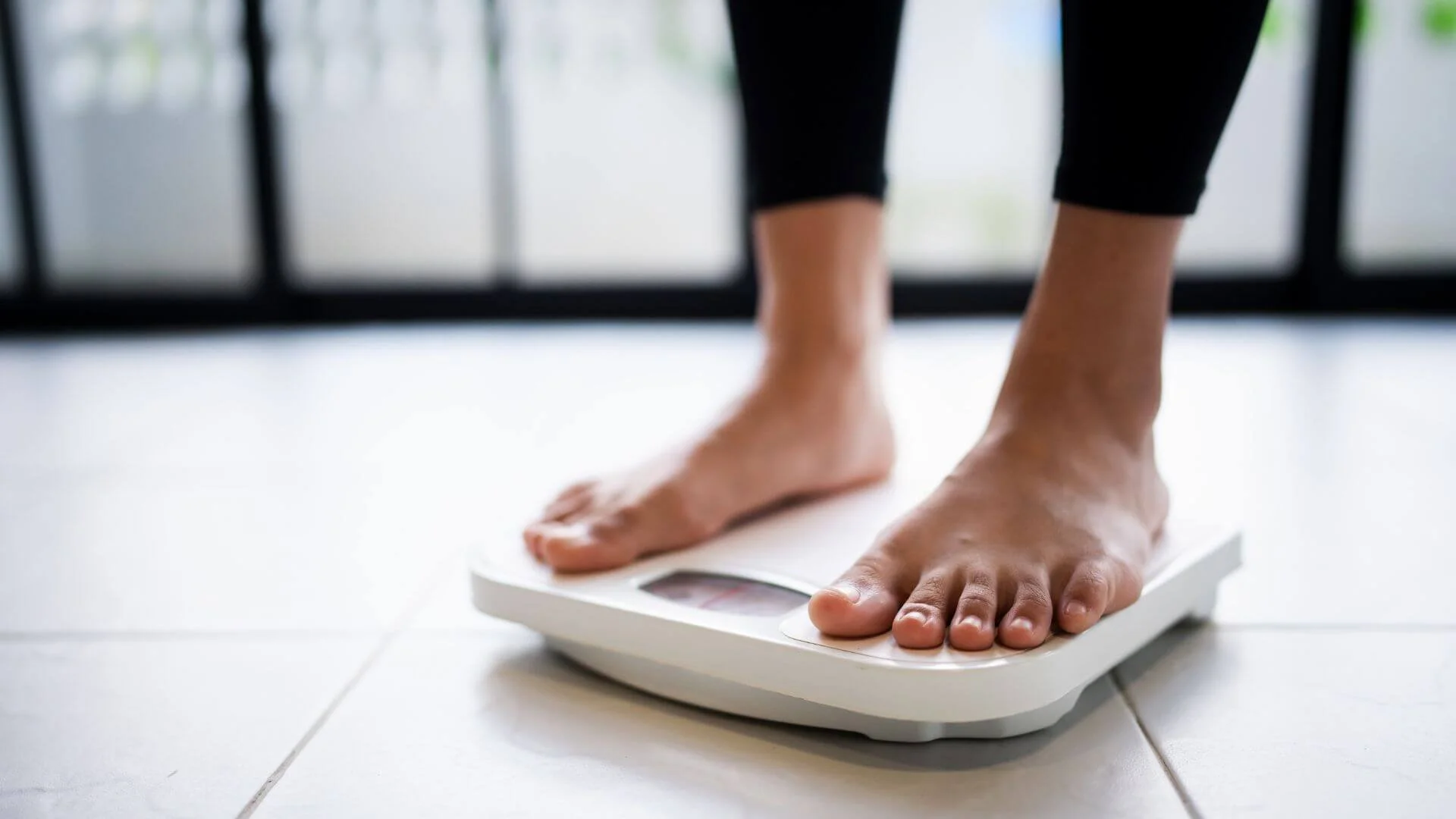
Stop Measuring Success Only by the Scale
Imagine two women who have both been working out consistently for three months.
One hasn't lost a single pound. The other has lost five.
Who do you think made more progress?
If you said I don’t know, then you’re right! Because the truth is, you actually can't answer that question; no one can.
Maybe the first woman doubled the amount of weight she can lift, or maybe she's sleeping through the night.
Her blood pressure could have improved, or maybe she finally has enough energy to play outside with her kids after work.
Those victories matter, and that’s what we’re here for!
Because the scale only tells one tiny part of your story, and it does not define you.
Progress also looks like:
Feeling more confident.
Walking farther without getting winded.
Improving your posture.
Having more energy.
Feeling less stressed.
Moving through your day without aches and pains.
Those changes often end up being the ones women appreciate the most.
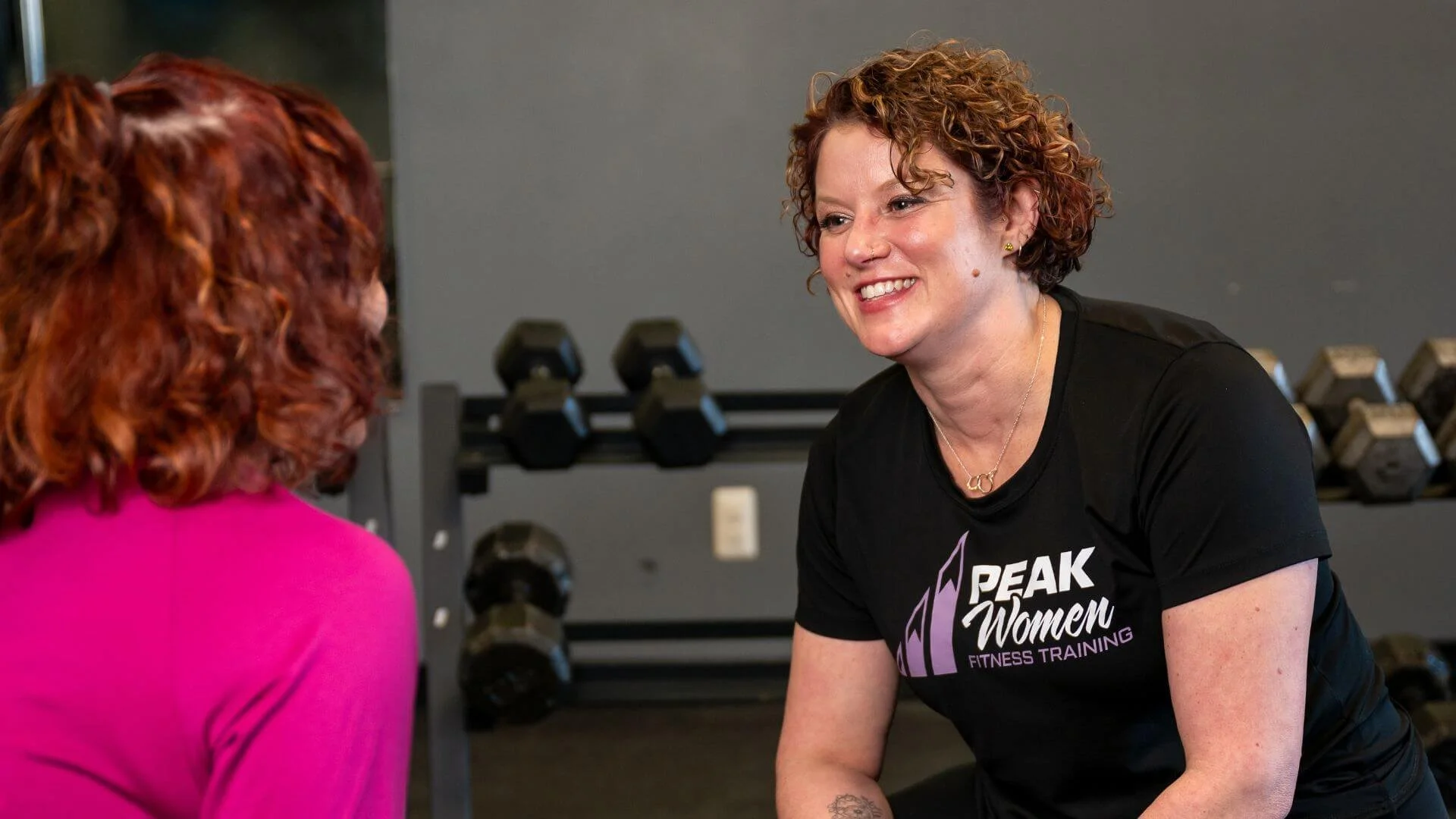
Find a Community That Believes in You
Sometimes confidence doesn't come first. Sometimes borrowed confidence is enough.
That's one of the reasons a women-only gym can make such a difference.
You're surrounded by women who understand busy schedules, changing hormones, motherhood, careers, stress, and all the other things that come with being a woman.
No one expects perfection or cares what you’re wearing, and absolutely no one is judging where you're starting.
Instead, they're cheering when you finish your first workout, or when you increase your weight and can lift five more pounds.
That kind of support changes everything.
Strong Looks Different for Every Woman
Social media loves telling women what they should look like.
We'd rather talk about how you want to feel.
Maybe you want more energy.
Maybe you want to keep up with your kids.
Maybe you want to protect your bones as you get older.
Maybe you want to feel more confident walking into any room.
Maybe you simply want one hour that's just for you.
Every one of those goals is worth pursuing.
Because there isn't one version of healthy or strong. That’s why the best fitness advice for women isn't another list of rules.
It's finding movement that supports your body instead of punishing it, and learning to celebrate progress instead of chasing perfection.
It's understanding that mental health is health and that movement is medicine. It's realizing that strength is measured by so much more than the weight on the bar.
At Peak Women, we believe wellness should fit your life, not the other way around.
If you're ready for coaching that's supportive, personal, and built around your goals, we'd love to help you discover just how strong you're capable of becoming.
It's about helping you become the strongest, healthiest version of yourself. Reach out today to schedule your consultation and get your first workout free.
Frequently Asked Questions
What is the best fitness advice for women?
The best fitness advice for women is to find a sustainable routine that includes strength training, cardiovascular exercise, mobility work, and recovery while fitting your unique goals and lifestyle.
Should women focus more on strength training or cardio?
Most women benefit from both. Cardio supports heart health and endurance, while strength training builds muscle, protects bone health, improves balance, and supports long-term function.
How often should women exercise?
A balanced routine looks different for everyone, but many women benefit from strength training two to three times per week along with regular movement like walking, cycling, or other cardiovascular exercise.
What if I've never worked out before?
Start where you are. You don't need experience to begin, and you don't have to be "in shape" before joining a gym. The most important step is simply getting started.
Why is a women-only gym helpful?
Many women feel more comfortable learning new exercises and building confidence in a supportive environment where they don't feel judged or intimidated. A women-only space can make it easier to stay consistent and enjoy the process.